


Fueling Your Fitness and Happiness
Our minds and bodies are intricately intertwined, a dynamic duo that influences every aspect of our lives. This powerful connection, often referred to as the mind-body connection, highlights the profound impact of our thoughts, emotions, and behaviors on our physical well-being, and vice versa.
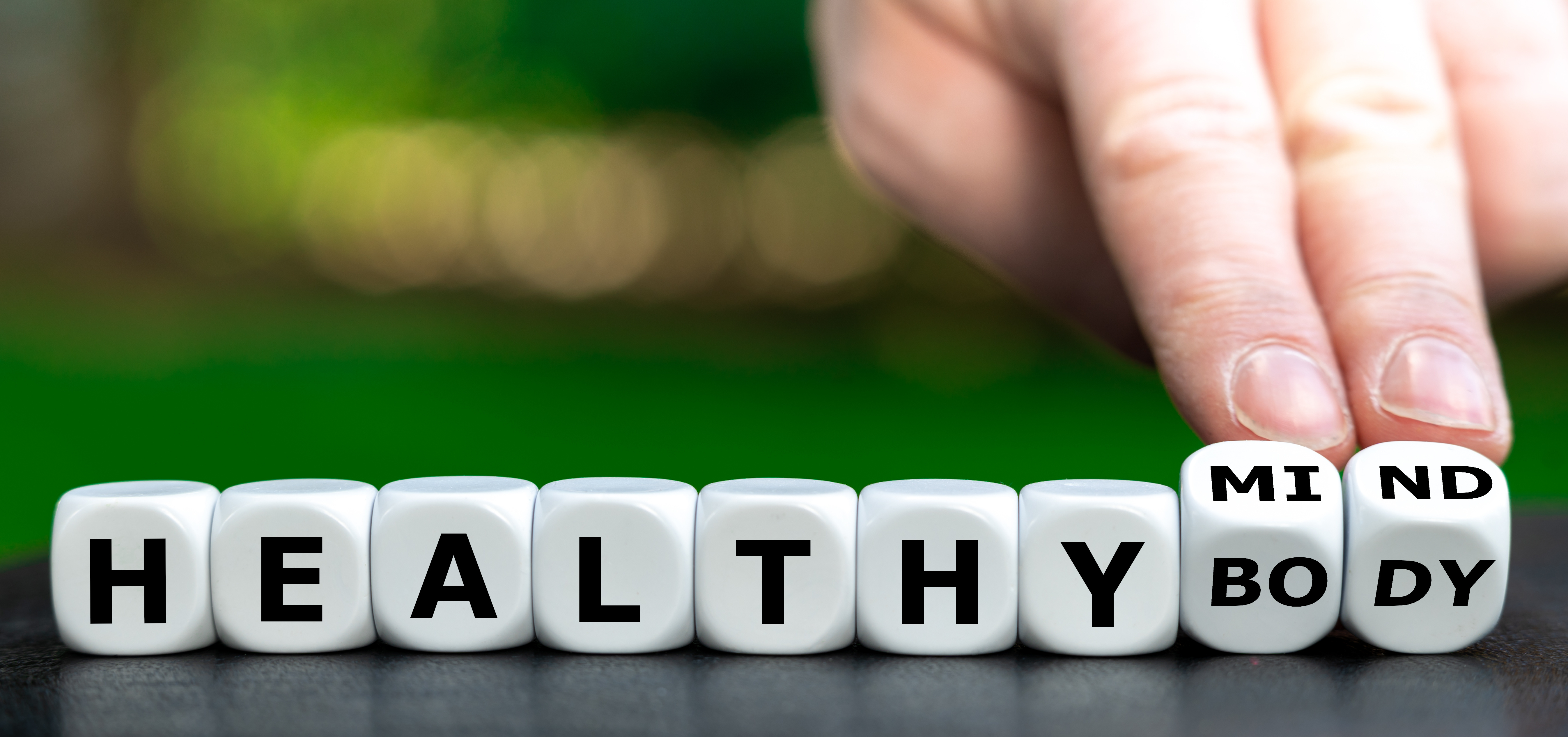
Understanding the Mind-Body Connection
The mind-body connection recognizes that our mental and physical states are constantly interacting and influencing each other.
- Stress and its Physical Manifestations: When we experience stress, our bodies release hormones like cortisol, which can weaken the immune system, disrupt sleep, and contribute to various health problems, including heart disease, high blood pressure, and digestive issues.
- The Power of Positive Thinking: On the other hand, cultivating positive thoughts and emotions can have a remarkable impact on our physical health. Studies have shown that positive emotions can boost the immune system, reduce inflammation, and improve cardiovascular health.
- The Impact of Exercise on Mental Health: Physical activity not only strengthens our bodies but also has a profound impact on our mental well-being. Exercise releases endorphins, natural mood boosters that can alleviate symptoms of anxiety, depression, and stress.

Fitness: A Cornerstone of the Mind-Body Connection
Regular physical activity is a cornerstone of a healthy mind-body connection. Here are 10 exercises that can contribute to a happier and more mindful you:
- Yoga: Yoga combines physical postures, breathing exercises, and meditation, promoting flexibility, strength, and mental clarity.
- Tai Chi: This ancient Chinese martial art involves slow, flowing movements that improve balance, coordination, and focus.
- Pilates: Pilates focuses on core strength, flexibility, and posture, improving body awareness and reducing stress.
- Walking: A simple yet effective way to improve cardiovascular health, reduce stress, and boost mood.
- Running: Running can be a great way to release endorphins, improve cardiovascular fitness, and clear your mind.
- Swimming: A low-impact exercise that is easy on the joints and provides a full-body workout.
- Cycling: Cycling is a fun and efficient way to improve cardiovascular health, build leg strength, and enjoy the outdoors.
- Dancing: Dancing is a joyful form of exercise that improves coordination, flexibility, and mood.
- Strength Training: Building muscle mass can improve bone density, boost metabolism, and increase self-confidence.
- HIIT (High-Intensity Interval Training): Short bursts of intense exercise followed by brief recovery periods can improve cardiovascular fitness and increase calorie burning.

Fueling Your Brain: The Power of Food
The foods we consume play a crucial role in brain function and overall well-being. Here are some brain-boosting foods to incorporate into your diet:
- Fatty Fish: Rich in omega-3 fatty acids, which are essential for brain health and cognitive function. Examples include salmon, tuna, mackerel, and sardines.
- Berries: Packed with antioxidants that protect brain cells from damage. Blueberries, strawberries, raspberries, and blackberries are excellent choices.
- Nuts and Seeds: Excellent sources of healthy fats, protein, and vitamins that support brain function. Almonds, walnuts, chia seeds, and flaxseeds are great options.
- Dark Chocolate: Contains flavonoids, which can improve blood flow to the brain and enhance cognitive function.
- Leafy Greens: Rich in vitamins, minerals, and antioxidants that are essential for brain health. Spinach, kale, and collard greens are excellent choices.
- Whole Grains: Provide sustained energy and support brain function. Choose whole grains like brown rice, quinoa, and oats over refined grains.
- Eggs: An excellent source of choline, a nutrient that is important for brain development and memory.
- Yogurt: Contains probiotics that can improve gut health, which is closely linked to brain health.
- Avocado: A good source of healthy fats that support brain function and may help protect against cognitive decline.
- Water: Staying hydrated is crucial for optimal brain function. Dehydration can lead to fatigue, difficulty concentrating, and headaches.

Cultivating Mindfulness
Mindfulness is the practice of paying attention to the present moment without judgment. It involves cultivating awareness of your thoughts, feelings, and sensations.
Here are some simple ways to cultivate mindfulness:
- Mindful Breathing: Pay attention to your breath as it enters and leaves your body.
- Mindful Eating: Savor each bite of your food, paying attention to the flavors, textures, and aromas.
- Mindful Walking: Pay attention to the sensations of your feet on the ground, the sounds around you, and the feeling of the wind on your skin.
- Meditation: Spend a few minutes each day sitting quietly and focusing on your breath or a mantra.
- Yoga and Tai Chi: These practices can help cultivate mindfulness through the integration of mind and body.

Conclusion
The mind-body connection is a powerful force that influences every aspect of our lives. By prioritizing fitness, nourishing our bodies with brain-boosting foods, and cultivating mindfulness, we can enhance our physical and mental well-being, leading to a happier, healthier, and more fulfilling life.
Disclaimer: This blog post is for informational purposes only and should not be considered medical advice. Consult with a healthcare professional 1 or a qualified fitness instructor before starting any new exercise program or making significant dietary changes.


