


Why Build a Mindfulness Routine for Lasting Serenity?
In our fast-paced, often chaotic world, finding moments of tranquility can feel like a distant dream. Yet the path to lasting serenity is within our reach. By cultivating a mindfulness routine, we can learn to navigate life’s challenges with greater ease and grace. But why embark on such a journey? And how do we begin? Let’s explore the reasons and steps to building a mindfulness practice that can transform your life.
It might seem obvious, yet it’s crucial to truly consider why you desire a mindfulness routine. What truly motivates you? Without a strong “why”, your routine may slip back into autopilot.

Assess Your Current Routine
The next important step is to assess your current routine. Assessment is not what you think it should be but what the truth of it has been recently. This honest awareness of how things are is a very important foundation of mindfulness. If you find it hard to accurately reflect on where your time and energy have gone in the last week or so, then just start paying attention right here and now. See if you can get a rough idea of how much of your day is spent in mindful attention and actions versus unmindful ones.
Nowadays, our daily routines often have at least some degree of unmindful activity. The activities that get us lost in our phones—while scrolling through social media, binge-watching TV shows, etc. (I personally love video games)—don’t have to be seen as “bad.” We are just taking an honest look at where our time and attention are currently going. From here, we can then perhaps re-adjust it to make more time for healthy mindfulness activities that invest in our well-being. On a side note, many activities that we may not first think of as potentially mindful can actually be approached in mindful ways. For example, I pay close attention to any reactivity I might feel while playing video games.
Making It Yours
The last important aspect of this is making it yours! We don’t all resonate with the same activities, practices, teachers, etc. So explore, experiment, and listen to what works for you.
Building a Meditation Habit
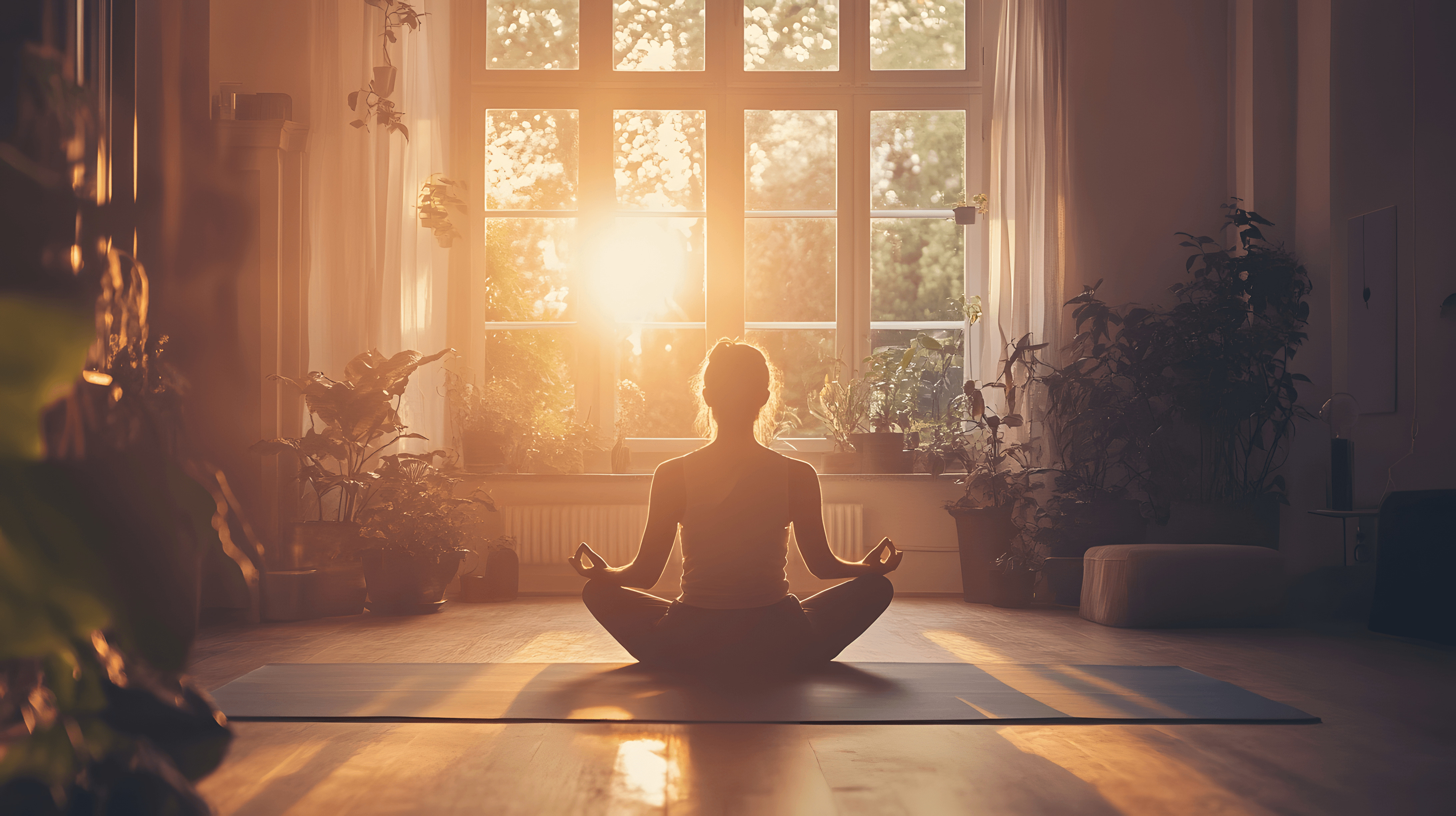
The initial goal in creating a meditation habit is finding time to sit at least once per day. It is better to sit for five minutes every day than two hours once a week. So find an amount of time that is realistic for you to achieve. Many people enjoy seated practice in the morning and evening.
Here are some meditation options we offer:
- Solo meditations in virtual reality with TRIPP VR
- Solo guided meditations on your phone through the TRIPP Mobile App
- Live guided group meditations in virtual reality: Join a community session
Once a practitioner feels grounded enough in their practice, then silent seated practice on their own is also recommended.
Mindfulness for Beginners
In some important ways, it doesn’t matter how long you have been immersed in mindfulness and meditation. What matters more is being present right here and now. If we get caught up in identifying with our accumulated past experiences and knowledge (or lack thereof), then we can miss the most important aspects of this mindfulness journey: this present moment. No matter how far along you might feel you are in your mindfulness journey, it is wise to come back to the humility of a beginner’s mind. “Zen mind, beginner’s mind,” as it was coined by American Zen teacher Shunryu Suzuki.
If you are reading this as someone with absolutely no knowledge or experience of such practices, then congratulations! You are right on track. 😉
A beginner is an empty cup, open to new information and experiences, whereas an expert can often be too full of past knowings to allow for anything truly new or innovative to enter. Ask lots of questions, explore, and stay open-minded.
Pausing Throughout the Day
Adding little pauses (one to two minutes) throughout the day can help tremendously in integrating mindfulness into your everyday life. Here are some ideas on what to focus on during these short pauses:
- Self-Observation: Check in with yourself to see how you are feeling and any thoughts that are arising.
- Conscious Breathing: Put your full attention on your breath.
- Inner Body Awareness: Bring your attention to your body.
These short pauses are especially great for those who feel they are too busy to meditate. Surely, you can pause for a minute or two throughout your day! It is said that if you are too busy to meditate each day, then you likely need it the most. This is probably due to how “productivity-oriented” we are these days. Many people hold an unconscious belief that doing nothing is inadequate or lazy. So, if you find this applies to you sometimes, then maybe just inviting these short pauses will be a good start.

Healthy Body
Don’t forget the basics! Even with a deep meditative practice, it can be easy to lose your calm if basic needs aren’t met. Pay attention to:
- Healthy Eating: Find good eating rhythms and be mindful of the quality of food you intake. Also, listen to your body to learn what it likes and dislikes.
- Sleep: A consistent and sufficient sleep schedule is important for well-being. Be mindful of your body’s limits and make time for rest when needed.
- Staying Hydrated: Figure out how much water intake is good for you and keep to it!
- Exercise: Many physical activities can be done with a quality of mindfulness. Yoga is an obvious example, but also walking, running, working out at the gym, hiking, and sports. Keeping the body active is great for many things and most activities can be done mindfully.
Spiritual/Philosophical Study
This is a very personal and subjective one for each of us. Whether you are fully dedicated to one particular path or enjoy exploring many, it can be valuable to make time for further studying. Working with a teacher or mentor, journaling, taking online courses, reading various texts, or engaging with communities are all ways to continue your exploration and discoveries of inner peace.
Catching Reactivity
With the intention of cultivating lasting serenity, it becomes important to bring awareness to the moments when we lose our serenity. On one level, we focus on how to cultivate it, and on the other, we stay vigilant for when and why we lose it.
Journaling: Keeping notes of when and how you lost your calm can be great for accountability and reflection.
Study Points: As you catch where you react in daily life, it gives you an idea of what subjects to explore deeper. For example, let’s say I lost my calm while driving. I got upset with a driver for doing something I felt was unwise. As I reflect on it, I might find key words like forgiveness, patience, or non-judgment to further my studies and practice in.
Don’t beat yourself up for your reactivity, but at the same time, call it out enough to work with it. If we avoid working on our reactivity, it is sure to repeat, hence our serenity will continue to be lost.
Gratitude Practice
There are always things to be grateful for, and bringing attention to them can be huge in increasing inner peace. It is often the nature of the mind to see what is missing, wrong, or needs fixing, and while this function can be helpful to a degree, it can also be out of balance and leave us in feelings of constant inadequacy. So, make time throughout the day to focus on what you can be grateful for in your current life. If you find it hard to find something, keep it simple—fresh water to drink, air to breathe, clothes to wear, etc.
Another important note in gratitude practice is that ideally, we want to truly feel the sense of gratitude, rather than just thinking or saying the right things.

Making a New Schedule
Since we are inviting a restructuring of our routine, it can be helpful to be organized. At least at the beginning, until these practices become your new norm. We tend to be creatures of habit, so our old habits of “non-serene routine” are likely to try and sneak back in. We just have to work with this and keep doing our best. 🙂
Initial Steps:
- Find your “why”
- Assess what your current routine is
- Make it yours!
Ideas to Integrate into Your Schedule:
- Daily meditation
- Moments of pause
- Sleep
- Healthy Eating
- Drinking Water
- Exercise
- Spiritual/Philosophical Study
- Catching Reactivity
- Gratitude
Remember, building a mindfulness routine is a process. Think of it like crafting a beautiful mosaic from a variety of colorful tiles. As you assemble the pieces, you create a unique and meaningful work of art. In the same way, building a mindfulness practice involves carefully selecting and combining different techniques to create a personalized approach that fosters greater awareness, peace, and clarity. By incorporating meditation, mindful activities, self-care practices, and a focus on gratitude, you can create a more serene and fulfilling life. So start today and begin your journey towards lasting serenity.
Thank you for reading! Wishing you the best on your path to lasting serenity.


